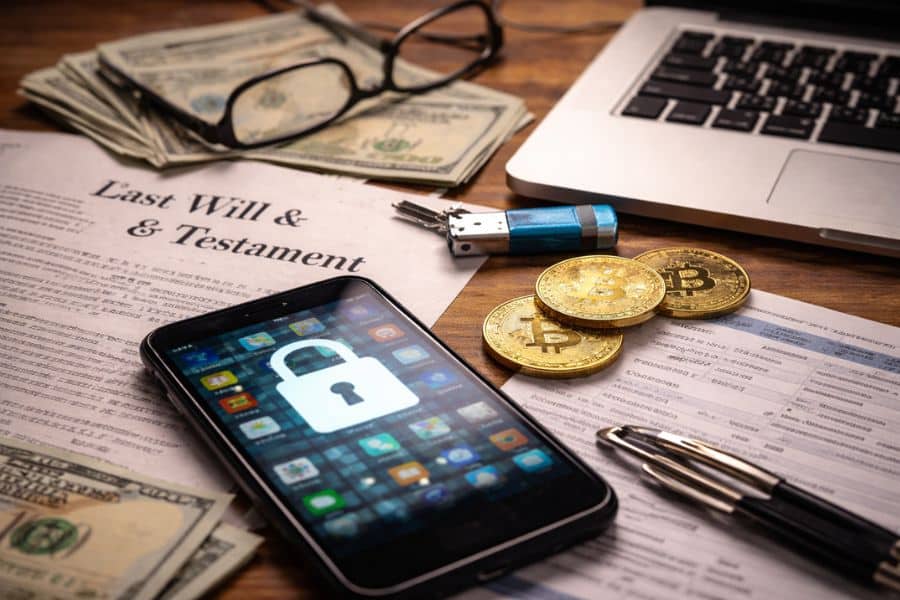

In this time of technology, privacy is more important than ever before, and protecting important digital documents and assets is imperative.
Digital assets include:
- All digital communications (emails, social media, LinkedIn, etc)
- Online Rewards Programs (Capital One shopping, Rakuten, Airlines, etc)
- Financial Accounts (banks, investment advisors, lenders, insurance, etc)
- Digital Assets (cloud-based documents, passwords, music files, photographs and videos, etc.)
- Business Accounts (your personal info stored in external client databases)
- Digital Copyrights or Trademarks (intellectual ownership of content that you created)
- Cryptocurrencies
To make things more confusing, the rights to access these assets are scattered in a seemingly endless web of user agreements and federal and state laws that protect both a fiduciary's right to access and the decedent's privacy.
If you’ve ever created a digital asset, you’re probably familiar with a lengthy legal document called the “terms of service”. There’s usually a checkbox to acknowledge that you have read and understood it. Let’s be honest, most people scroll to the bottom of these agreements without as much as a glance at the text.
However, usually somewhere within that text, there is a clause that prohibits third-party access to digital assets after we die or are incapacitated. This could create a problem when your heirs try to account for all your belongings.
These laws were drafted to protect privacy and to combat hacking. Even if your trustee has your username and password, they may not have the legal authority to access your account.
Here are some steps you can take to dispose of your digital assets.
- Create an inventory of your digital assets including what accounts you currently hold and how you want them to be managed. It’s important to be as specific as possible when outlining how you want your digital assets to be handled. Remember to provide legal protection for your loved ones, since state and federal laws make accessing private data without permission a crime.
- Decide what you want your estate's executor or loved ones to do with your digital assets after you pass away, like what will happen to any credit card rewards you've accumulated or whether an online business you own will continue to operate.
- State law may specify what can or can't be included in your digital estate plan, the format your digital estate plan must take and how a digital estate plan must be witnessed or recorded, so it’s important to determine the law pertaining to your digital assets in your particular state. This is where your estate planning lawyer can help.
- Find out what planning options, including instructions within a will, trust or power of attorney that allow a trustee to access or destroy certain digital assets. Be sure to name a digital executor, and spell out what they may or may not manage as part of your online estate plan.
This is a complex topic and the information above is merely scratching the surface, which is why it’s crucial to consult an estate planning attorney about your particular situation.
Attorney Charles Bendig has over 40 years of experience and can guide you in the right direction to ensure your digital assets are fully protected. Get a free video consult today.